High negative brand sentiment equals PR disaster? Learning how to correctly interpret from UA's closure.

High negative brand sentiment equals PR disaster? Learning how to correctly interpret from UA's closure.

2021-03-11

When discussing big data, social listening, and social monitoring, one cannot overlook a key component—sentiment analysis. In the past two articles, we have mentioned the "sentiment analysis" function, noting that machines can assist in defining word choices and determining the sentiment of a text, thereby helping to identify potential crises early.

However, sentiment analysis primarily focuses on identifying whether the content expresses positive or negative emotions, without yet assessing the intensity of those emotions—such as extreme anger versus mild liking—or the level of support or satisfaction toward a specific event, brand, or individual.Moreover, the discussions from netizens on social platforms cover a wide range of topics and are filled with coded language, slang, and sarcasm. As a result, sentiment analysis in practice can only determine whether the attitude is positive or negative, making it difficult to identify the specific target of the sentiment.

Taking UA Cinemas' announcement of closure on March 8 as an example, the chart shows that nearly half of the content was classified as "negative" by the machine.

However, it remains unclear what exactly triggered the netizens' negative emotions. If sentiment is simplistically attributed to support or satisfaction levels regarding the brand or the closure event, it can easily lead to misjudgment and even result in flawed decision-making.

Therefore, for sentiment analysis to truly deliver value, human intervention is indispensable.


Sentiment Analysis: How to Accurately Interpret?

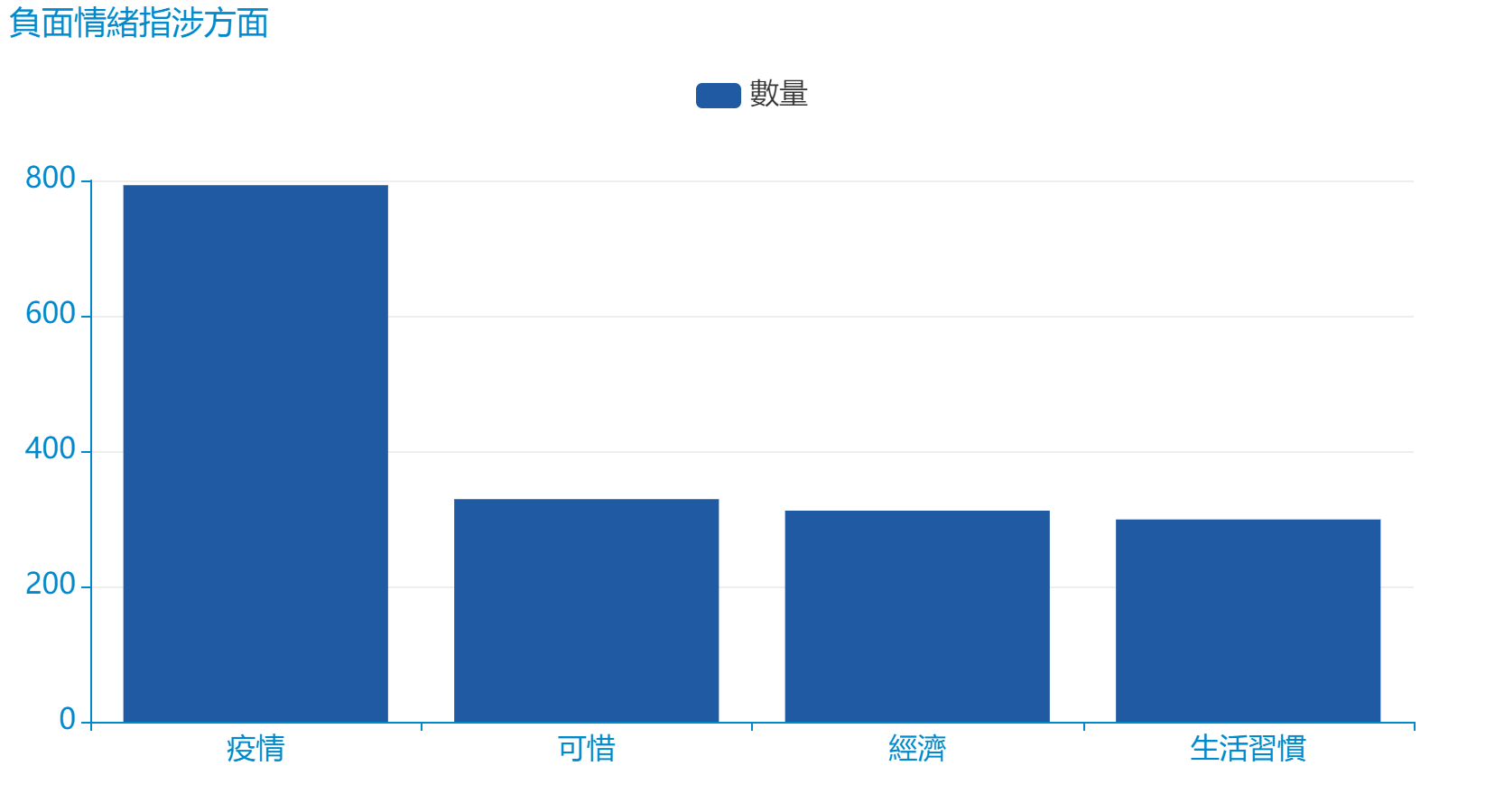
By filtering out the "negative" emotions in Figure 1, combined with manual intervention and textual analysis, it becomes evident that the highest frequency of these emotions refers to the "pandemic," reflecting how netizens often blame the pandemic and the government's business suspension measures when discussing the closure incident.

Next, the sentiment of "regret" ranks second in volume, indicating that many negative expressions are tied to netizens' feelings of sorrow over the closure of UA Cinemas.related to regret and reluctance.

As for the third and fourth reasons, they are "economy" and "viewing habits." Many netizens believe that closures are related to the broader economic environment and high rents, while others attribute it to people shifting to alternative channels for watching movies.


The examples above demonstrate that the emotional indicators triggered by a single event cannot directly point to the brand or the event itself. The negative sentiments surrounding UA's closure may actually reflect netizens' dissatisfaction with the government's pandemic response and the economic downturn.

Numerous Social Listening platforms are available in the market, with sentiment analysis often highlighted as a key feature. However, understanding the underlying meaning behind negative emotions is crucial for addressing the root cause. uMax Data offers a comprehensive solution, from basic to in-depth analysis, catering to all-round market monitoring and PR needs.

New

Product

Cases

About

News

English繁體中文
Logout